
WAICU Members Advance Workforce Readiness
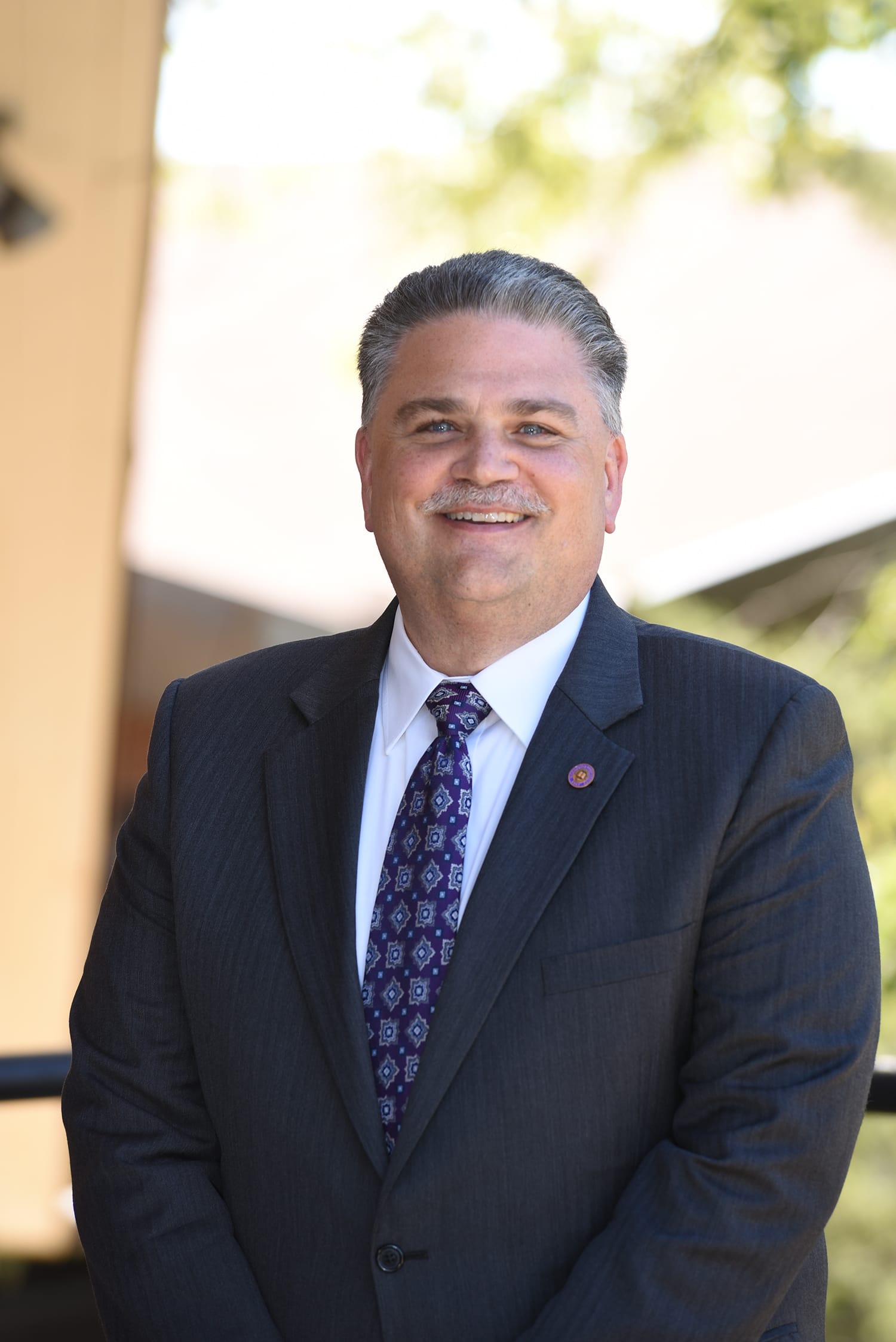
Eric W. Fulcomer, PhD, WAICU President and CEO
One of the most consequential challenges facing Wisconsin today is not merely preparing talent for tomorrow’s economy. It is ensuring that our most gifted graduates choose to build their lives, careers, and families right here in our state.
As detailed in our accompanying feature article, data from the Wisconsin Policy Forum and the Congressional Joint Economic Committee underscore a persistent economic reality. Wisconsin has historically experienced one of the nation’s steepest net losses of highly educated residents. With our state’s workforce projected to shrink by 130,000 workers by 2030, reversing this “brain drain” is an urgent economic priority.
Addressing this challenge requires more than good intentions; it demands sustained cross-sector collaboration. That commitment guides my leadership at the Wisconsin Association of Independent Colleges and Universities (WAICU) and informs my service on the Wisconsin Technology Council Board, the Wisconsin Council on Workforce Investment, and the Wisconsin Manufacturers & Commerce Education Committee.
Across these tables, the consensus is clear: Wisconsin’s economic vitality depends on cultivating adaptable, highly skilled problem-solvers. Whether aligning with the Department of Public Instruction’s Portrait of a Graduate initiative or partnering with regional industry clusters in bio-health, advanced manufacturing, and technology, we must build a clear pipeline connecting academic rigor directly to Wisconsin career opportunities.
Wisconsin’s private, nonprofit colleges and universities are uniquely positioned to help lead this effort. Our institutions do not simply grant degrees. We integrate students directly into the fabric of Wisconsin communities and our statewide economy. Nearly 50 percent of students enrolled across WAICU member campuses arrive from outside Wisconsin, and every one of them represents an opportunity to expand our state’s talent pool.
Through clinical placements, undergraduate research, local internships, and close faculty mentorship, our campuses embed students in Wisconsin’s civic and commercial networks early in their academic journeys. These experiences transform out-of-state learners into long-term Wisconsin residents, innovators, and leaders.
Higher education cannot solve this demographic challenge alone. Turning brain drain into lasting brain gain requires shared commitment across three key areas:
- To our Business Leaders: Deepen your engagement with our campuses. By expanding paid internships, apprenticeships, and mentorship programs, you provide students with tangible proof that rewarding, high-growth careers are available right here in Wisconsin.
- To our Elected Officials: Champion policies and strategic investments that incentivize talent retention. Last session, legislation was introduced to create an economic development fund supporting innovative initiatives at WAICU member institutions. This targeted, one-time state investment offers a significant return for Wisconsin taxpayers and local communities.
- To our Higher Education Leaders: Continue developing agile, market-responsive academic programs that pair technical expertise with durable human skills, including critical thinking, ethical leadership, and creative problem-solving.
Wisconsin already possesses exceptional colleges and universities, visionary employers, and dedicated public servants. By aligning our collective strengths and investing intentionally in our talent pipeline, we can ensure that Wisconsin is recognized not for the talent it loses, but for the leaders it attracts, develops, and retains.